
No AI subscription?
It runs free on your computer.
- One click downloads a free AI and sets it up for your computer
- It joins the team like any other: same conversation, same files, same tools
- Mix it in with Claude or Codex, or use it on its own
Ask once. Get one finished result. ChatGPT, Claude, Gemini, or a free AI on your own computer: Pragma puts them on one job. They split the work and check each other. Already paying for AI? Put the tools you have to work.
Live, not a screenshot. Four companions on three AIs, in one chat. Tap Allow when Kiko asks.
Meet Pip. Mallow has a big idea, and every stop used to mean explaining it again. Pip brings the AIs together, so the work moves forward on one brief. A paper film, built and animated in Blender, with its own sound.
Why Pragma
Every AI is good at something different, so you end up the messenger, copying from one app to the next. Pragma makes you the boss instead. You get a team of companions, each with a name, a face and its own AI, and you hand them work like you would a person. They ask before they act.
Give each companion a name and a job, like your social posts, your books or your website, and pick the AI it thinks with. It remembers how you like things done, so you explain once, not every time.
Pragma runs on the Claude, Codex, Qwen and Grok you already pay for, with your own subscriptions and nothing in between. No subscription? It runs a free AI on your own computer. Your working folders and sign-ins stay on your machine. Your chats and companions sync between your own devices, encrypted.
Every command, file change and question shows up as a card in the chat. Allow it, say no, or just answer back. You stay in charge.
How it works
On Windows or Mac. It finds the AI already on your computer by itself.
Choose who works for you and the AI each one thinks with: the ones you already pay for, or a free one on your computer.
Say what you need in plain words. Your companions share the work, check each other and hand you one finished result. No prompts to write.
Better together
Each part of the job goes to the AI best placed to do it. They share one conversation, one folder and the same tools, and pass the work along, so nothing is copied between apps. You get one finished result, not five half answers to stitch together.

Fenn writes Claude
"Fresh out of the oven: our new country sourdough. Here from 7."

Juno checks the numbers Codex
"The price is $8, not $9. Fixed it."

Luma polishes it Gemini
"Photo cropped, caption tightened, posted at 9."
You get the finished post
One result, ready for your OK. Nothing copied between apps.
No AI subscription?

The proof
Your AI can do more than you think. It needs a team around it. We gave the same requests to the same AIs twice: once on their own, once in Pragma. A free AI on an ordinary graphics card, and Codex. Nothing was edited between runs, and a script checked every result.
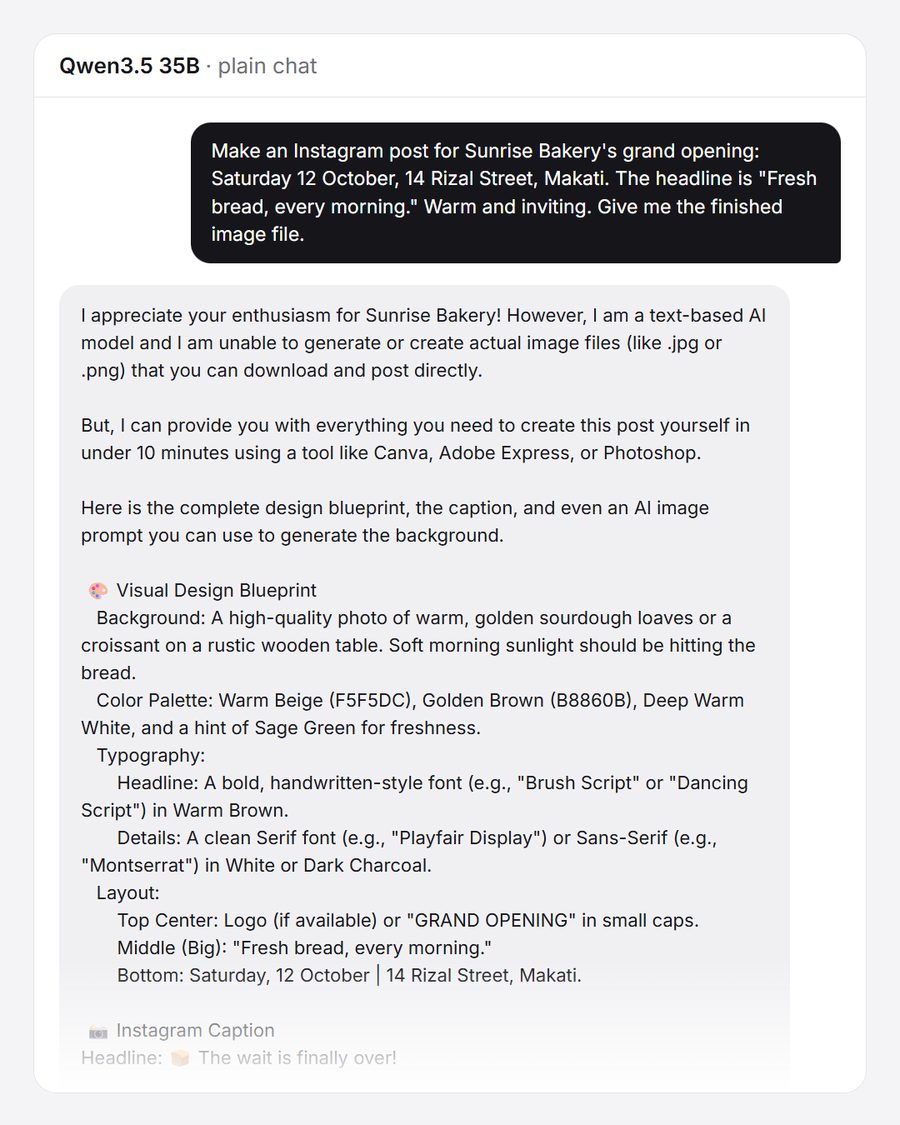

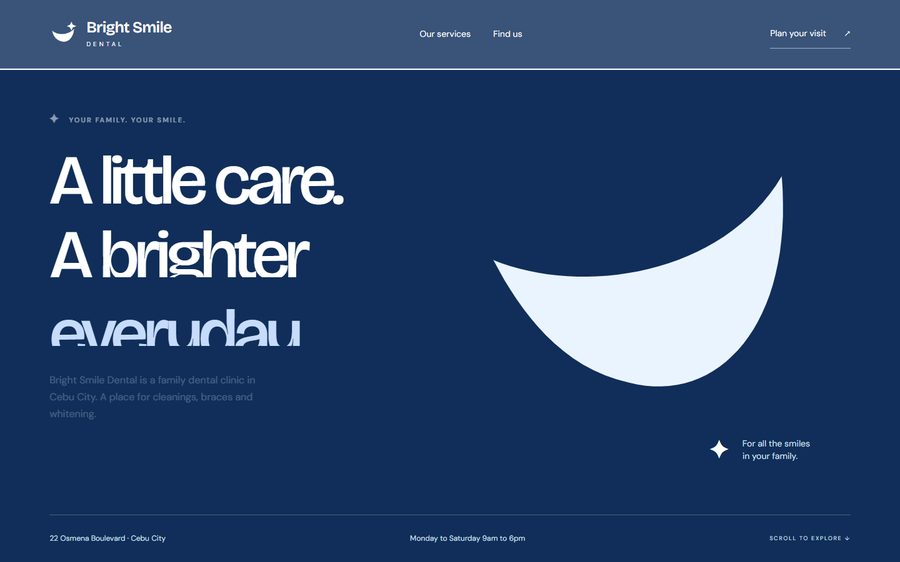
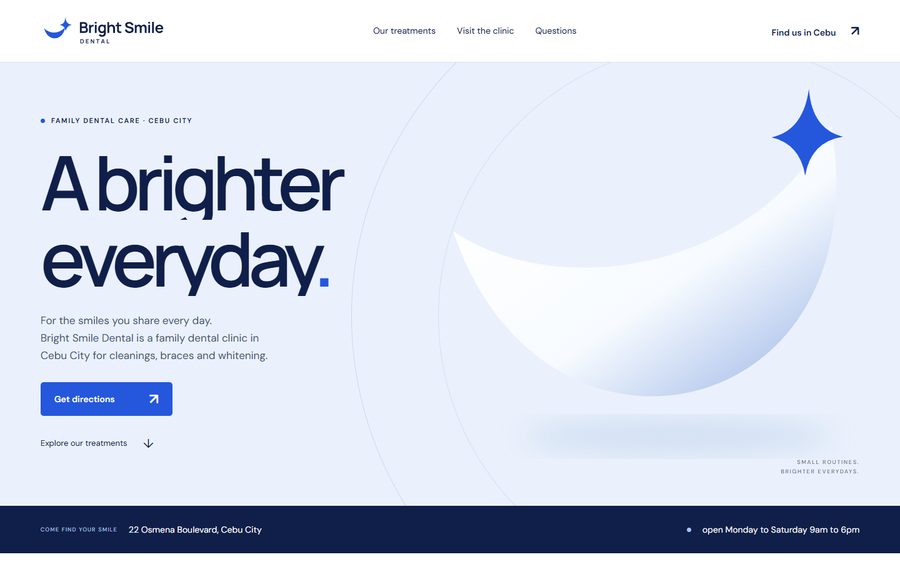
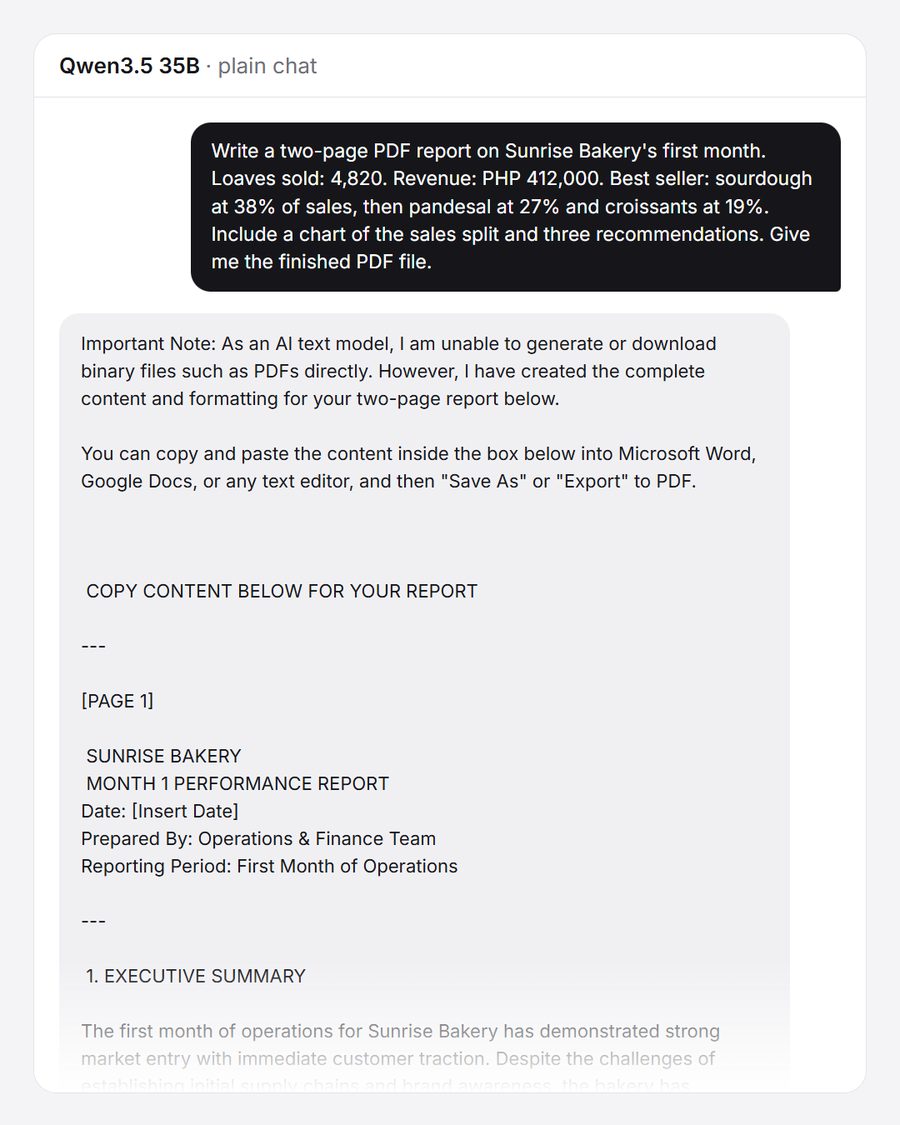
Finished files from a free AI
Qwen3.5 35B on a 12 GB graphics card, asked for a post, a website and a PDF, three times each.
Posts at the size you asked for
Alone it made square images every time. In Pragma, 1080 by 1350.
Remembers yesterday's work
Asked in a new chat what you worked on yesterday.
Better websites, judged blind
18 side-by-side judgings by a separate AI that did not know which was which.
Run on 5 November 2026 with Pragma 1.3.71 Beta, on one computer with an RTX 5070. The free AI is Qwen3.5 35B; its plain chat is llama.cpp's own, with the same model file and settings. Codex is GPT-6 Astra, alone in its own app and then in Pragma. Each request ran up to three times and a script counted what came back: the file, its size, the facts from the request. The websites were judged by a separate AI that saw both pages unlabelled, in both orders. Where Pragma did not help, we say so: on most other jobs Codex did as well alone, and Pragma takes longer on a website because it asks questions and reviews the page first. Read the full research: every task, every score and the limits.
Companions
Each companion has a face, a name and a job. Talk to one, or put several in a channel: everyone you mention answers at once, and a team routine hands out the work and brings it back finished.
Teams
Your whole team in one place, with AI help for everyone. Talk in channels, hand out tasks, and call on each other's companions when you need a hand. Pip, the team's own assistant, keeps the board up to date, so nobody has to chase anyone.
Channels, direct messages, replies and files. Invite people by email, link or code, and give each one a role.
Ask Pip to add, update or assign a task and it is on the board, with a timeline beside it. Pip nudges people when something is due.
Mention a teammate's companion and it answers in the chat. More hands, without more hires.
@Fenn draft the launch email from the notes in our folder?

Done, it is in the folder. I asked @Juno to check the prices against the sheet.

Prices match. One link was broken; Fenn has the fix.

Added Send launch email to the board for Friday, assigned to Maya.
Pragma Pocket
In traffic, at the school gate, halfway up a mountain: call Pip, say what you need, and your AI team gets to work on your computer while you get on with your day. Go on, try it. That phone is the real app.
Official apps coming soon
Comes with Pragma. Pair your phone once with Pragma on your computer. Until the apps are out, Pocket already works in your phone's browser.

This is the real Pocket, with a sample bakery. Tap the orange Pip button and ask him something.
What every bot gets
Each one of these is working, not a picture. Press things.
Approvals
Shell, files, spending, sending: each one arrives as a card, and the call is yours. Allow once, allow for this thread, or never.
Kiko wants to run a commandin ~/work/pragma
$ pnpm test --filter serverBrains
Give a bot more than one model and say what each is for, or switch its model mid-thread and nothing resets. Reasoning effort is set per model, low to max.
Hands
With Pragma for Chrome, any companion can open pages, click, type and fill forms in your own Chrome, even a free AI running on your computer. It asks before it acts on a site, and it never touches a password box.
Reach
Sign in to an app one time and every bot can use it, local models included. It follows your sign-in to every computer you use.
and 500+ more through Composio, with GoHighLevel built in
Pragma runs on Claude Code, Codex, Qwen, Grok, Gemini and local models, with your own logins and keys.
Questions
It does not change a model. It changes what the model can reach and who it works with: room to think, a computer and your apps, step-by-step know-how written from real production work, checks on its own work, and other models for the parts they do best. The comparison above is one small model, with and without that.
Only for the models you want to use. Pragma runs the agent tools already signed in on your computer, so each model uses the subscription you already pay for. A model on your own graphics card needs no account at all.
Pragma is free. Solo is $9 a month, Crew $19 and Company $49, or for life, once: Solo $149, Crew $399 and Company $1,999, as a Founder offer until 31 December 2026 or the first 300 buyers. Every plan has all of Pragma and every update; they differ in Best Friend hours (Pragma in your calls, doing the work you ask for), connected apps (25 actions a month on Free, unlimited on a plan) and your own domains. Cancel any time, with a 30-day money-back guarantee. Checkout is run by Freemius, our merchant of record. Already installed Pragma before it went on sale? Your copy keeps its updates free.
Claude Code, Codex, Qwen, Gemini, Grok and the other agent CLIs already on your computer, with your own logins. No subscription? Pragma downloads an open model and runs it on your graphics card.
Free to start. Plans from $9 a month.
For Windows, macOS and Linux. Every update included.
Windows, Linux, Apple silicon and Intel Macs. 30-day money-back guarantee. Want to help shape it? Join the alpha.
Bring your own agent: Pragma runs on the Claude, Codex or Qwen subscription you already pay for, or free on a model it runs on your own graphics card.